
Beyond Rules and Fiction
A framework for understanding engagement in roleplaying games

Engagement is built by going through a process: decision, action, feedback. Whether you begin with “feedback” or “decision” is not really important, but the decision itself is about interpreting a situation and then drawing a conclusion. We do this in every action, every situation, every scene, every act, every game session, every adventure, every campaign. Everything follows the same pattern.
We look back at an adventure we’ve experienced, interpret the information, and draw conclusions from it. We then carry those conclusions forward into the next adventure. Replace adventure with something like action or scene, and you end up with the same sequence. The important thing to remember is that this is not a perfect circle; I usually present it as a learning spiral.
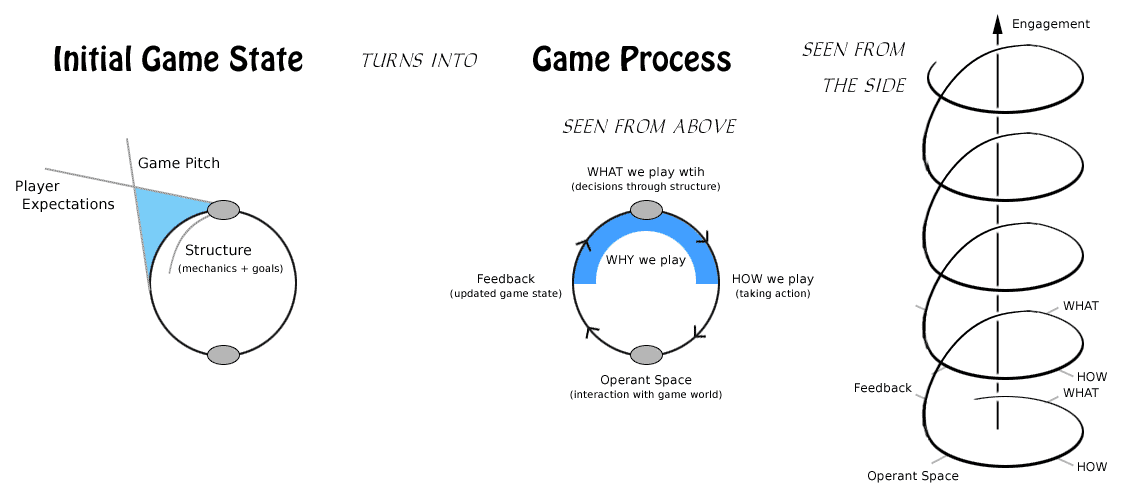
Flow is often used as the general definition of engagement. There are many related terms: absorption, immersion, and presence. To me, these are essentially the same phenomenon: they simply rely on different tools to achieve it. The underlying process, however, remains the same.
Flow describes the process as follows:
The activity must have clear goals and a sense of progress. This establishes structure and direction.
The task must provide clear and immediate feedback. This helps the participant adapt to changing demands and adjust their performance to maintain the flow state.
There must be a good balance between the perceived challenges of the task and the participant’s perceived skills. Confidence in one’s ability to complete the task is essential.
The first and last points are more like prerequisites for becoming engaged, but motivation itself can actually emerge from the loop. I’ll return to that later.
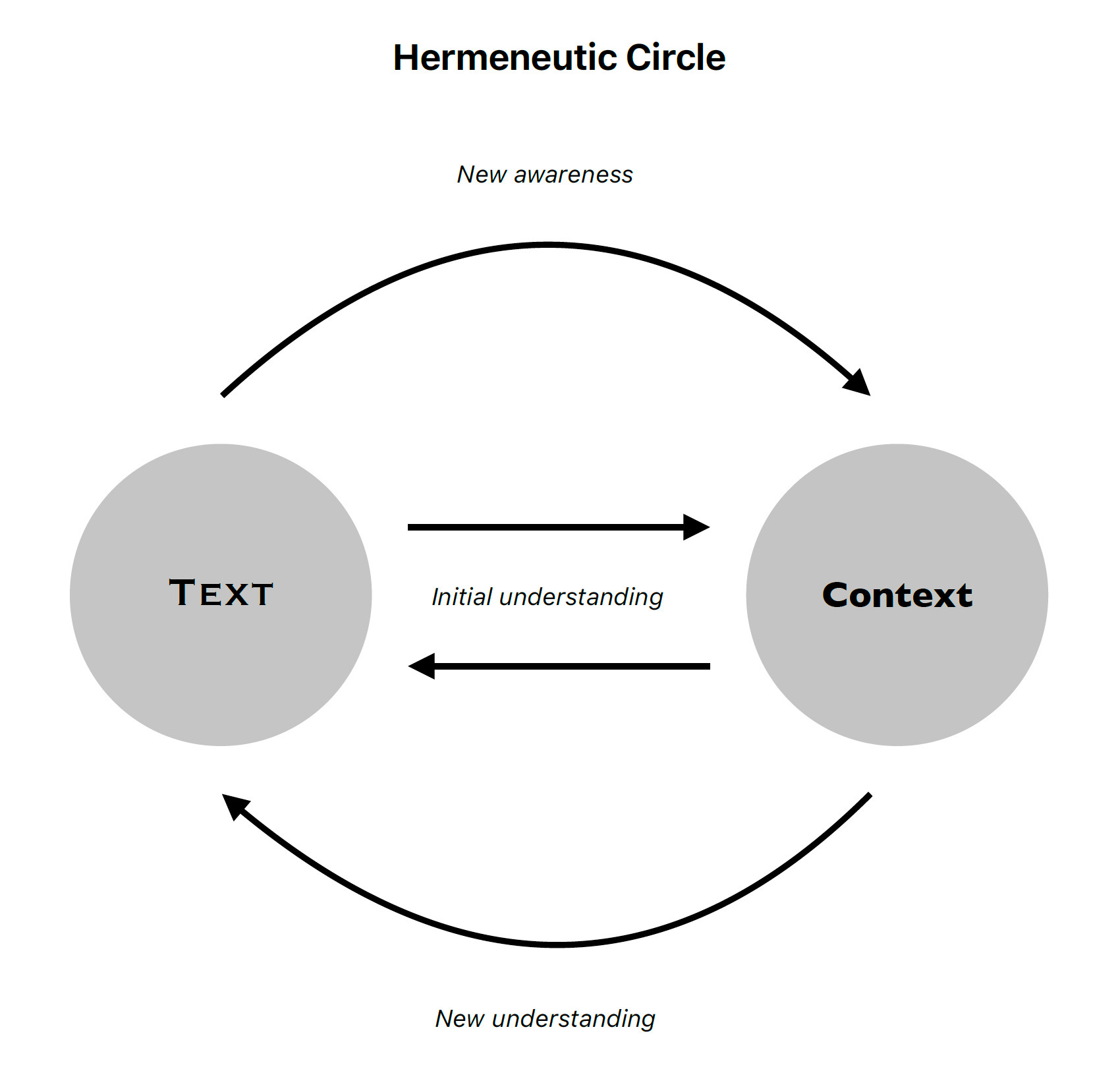
Here is a similar illustration of the hermeneutic circle as it applies to reading:
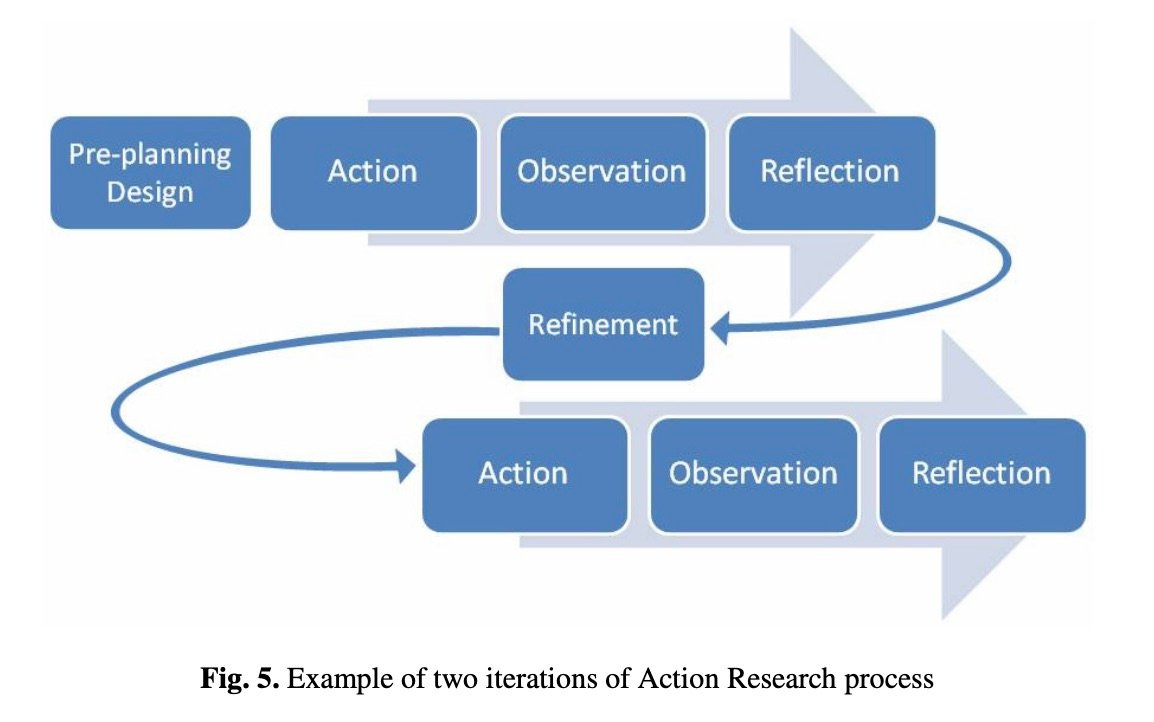
A similar image describing the Hermeneutic Action Research Recursive Reflection model:
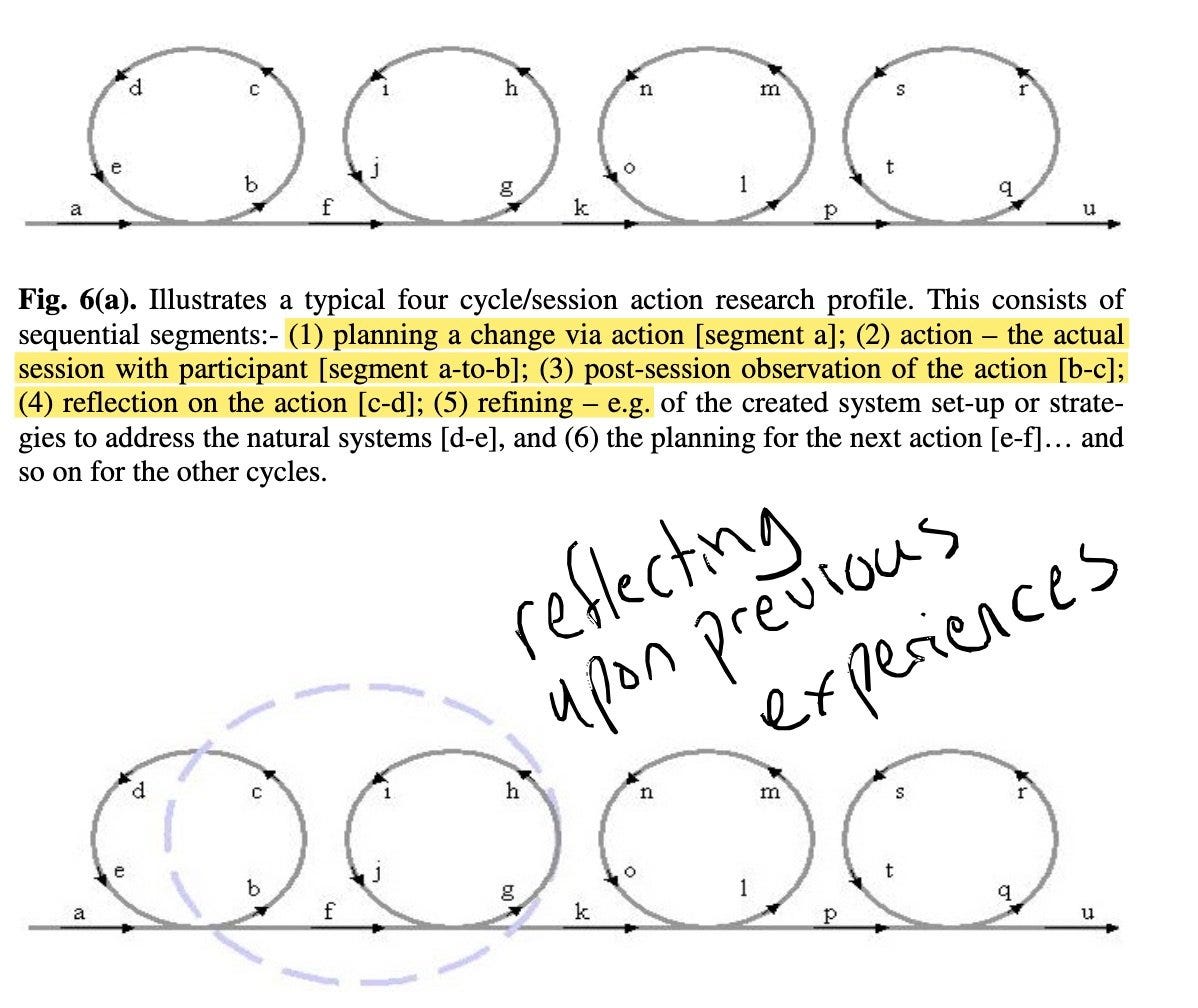
The Character Interpretation model in the LARP book Beyond Role and Play describes immersion as arising from the following process:
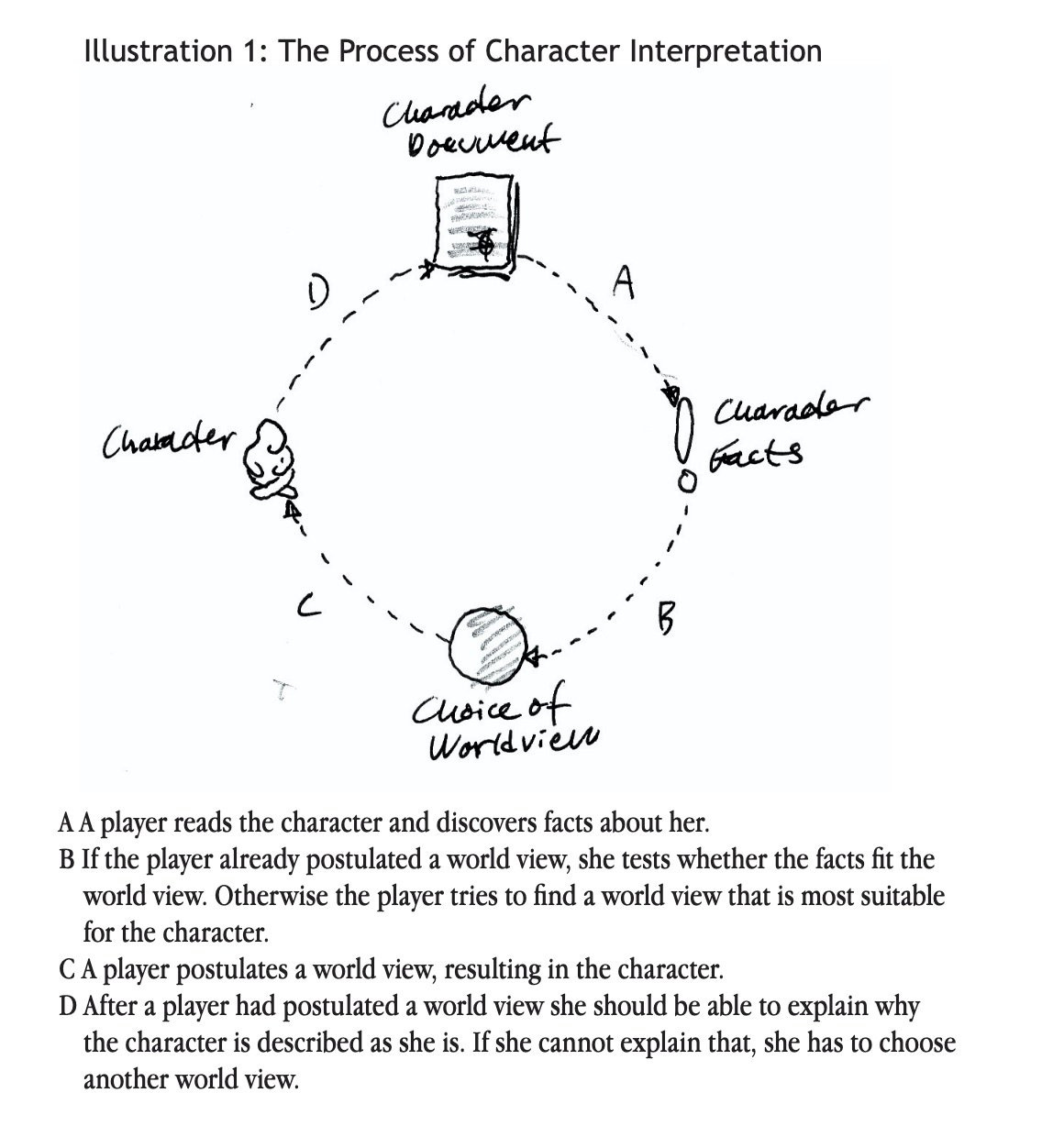
Finally, Daniel Cook writes about the skill atom and what actually happens when a player interprets a situation.
A skill atom feedback loop is composed of four main elements:
Action: The player performs an action. For a new player encountering a skill atom, this might simply involve pressing a button. More advanced skill atoms may instead require the player to execute a complex sequence of actions, such as navigating an intricate maze.
Simulation: Based on the player’s action, the ongoing simulation is updated. A door might open.
Feedback: The game provides some form of feedback to let the player know how the simulation’s state has changed. This feedback may be auditory, visual, or tactile. It can be visceral, such as an exploding corpse, or symbolic, such as a block of text.
Modeling: Finally, the player internalizes the feedback and updates their mental model of how successful their action was. If they feel they have made progress, they experience pleasure. If they master a new skill or tool, they experience an even greater sense of satisfaction. If they feel their action was futile, they experience boredom or frustration.
All of these models are really saying the same thing—they simply use different terminology in an effort to establish their own conceptual frameworks. The point of this discussion is to show that none of them is especially unique. They are all describing the fundamental human ability to interpret the world.
It doesn’t matter what we’re doing—whether we’re playing a roleplaying game or replying to a blog post—the underlying process is the same. What makes roleplaying games particularly interesting is that they allow us to deliberately shape how participants interpret information, and that inaccuracies or misunderstandings in those interpretations can sometimes enhance the overall experience.
This is what this series is about.